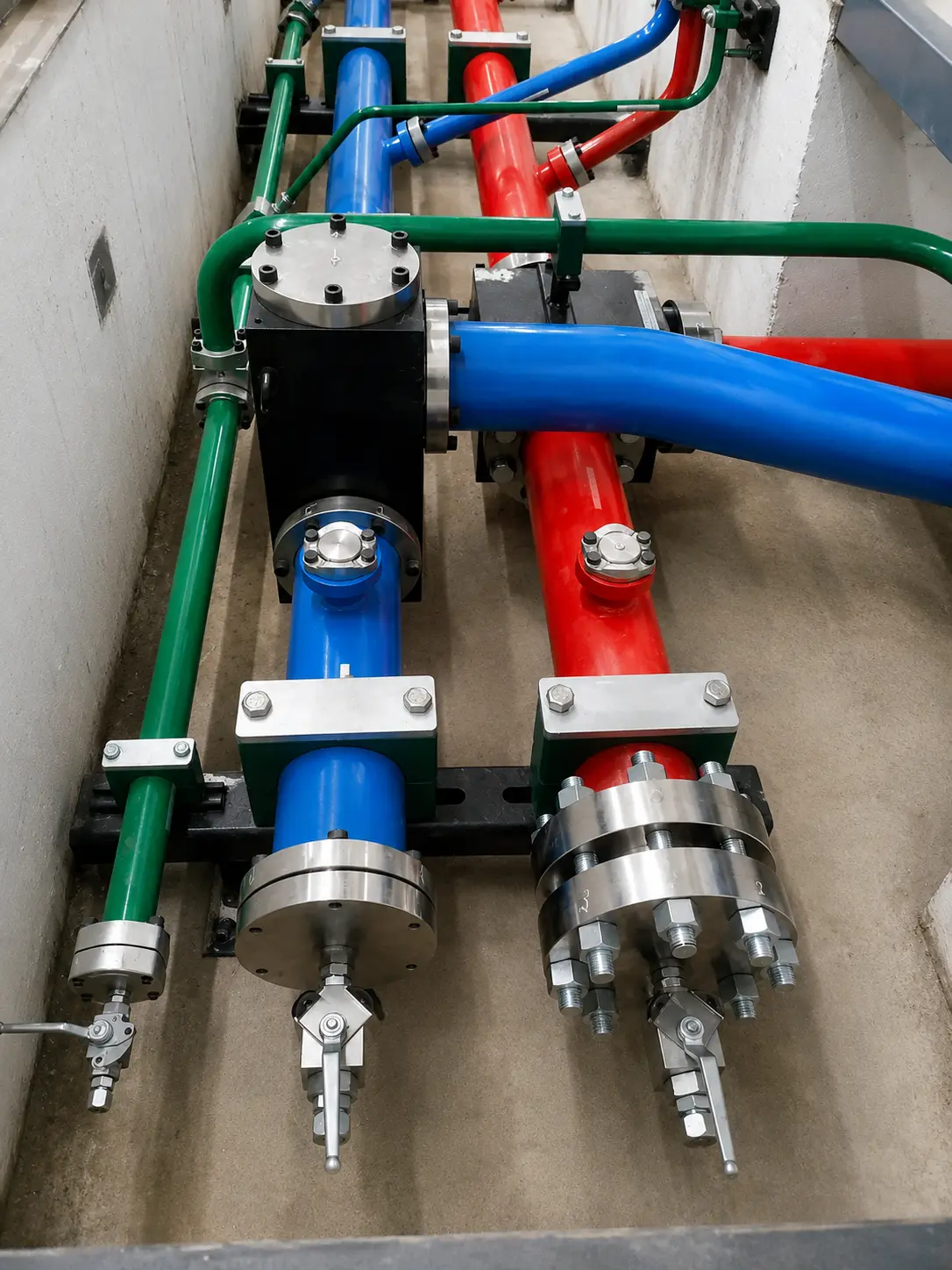
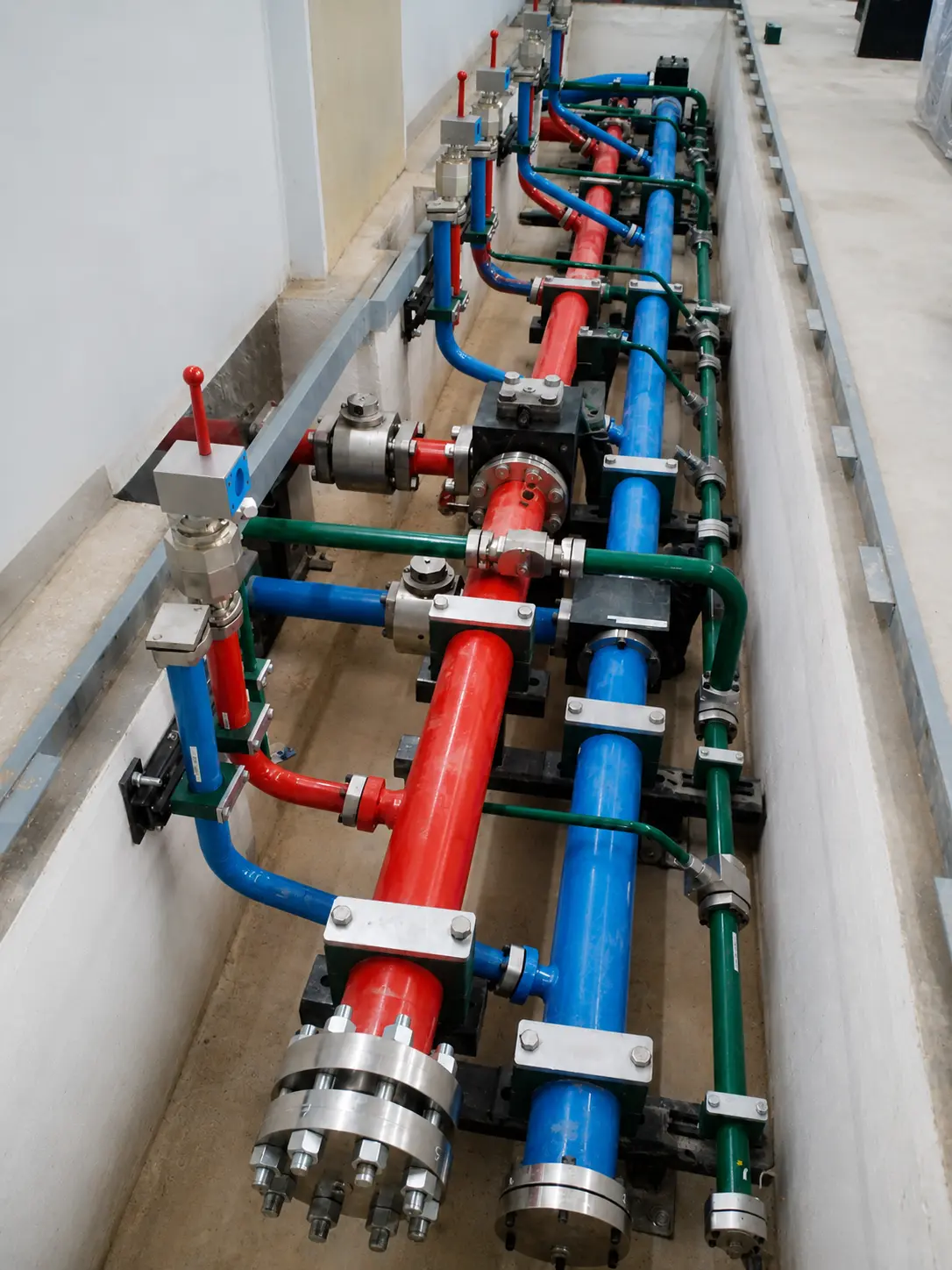
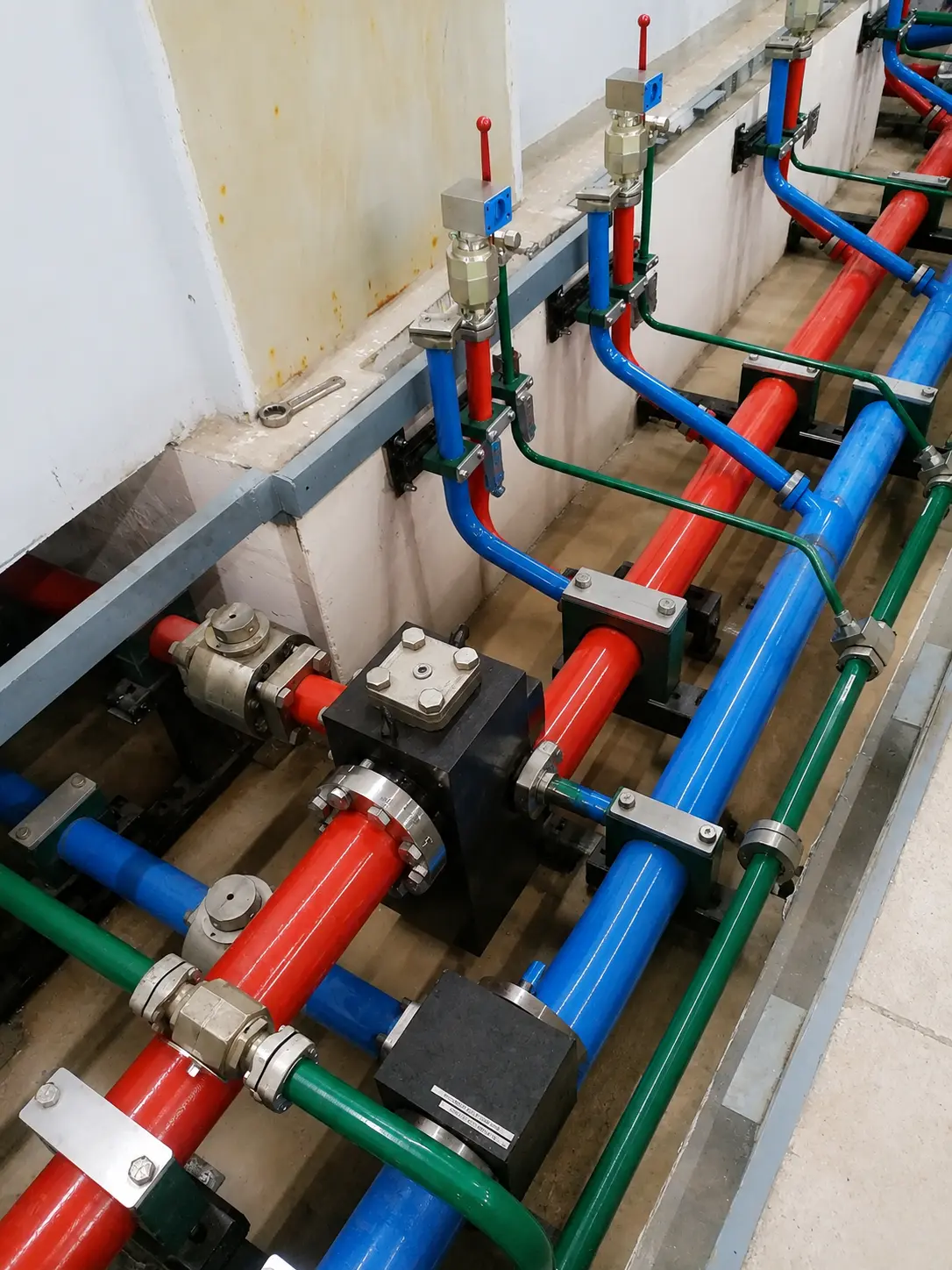
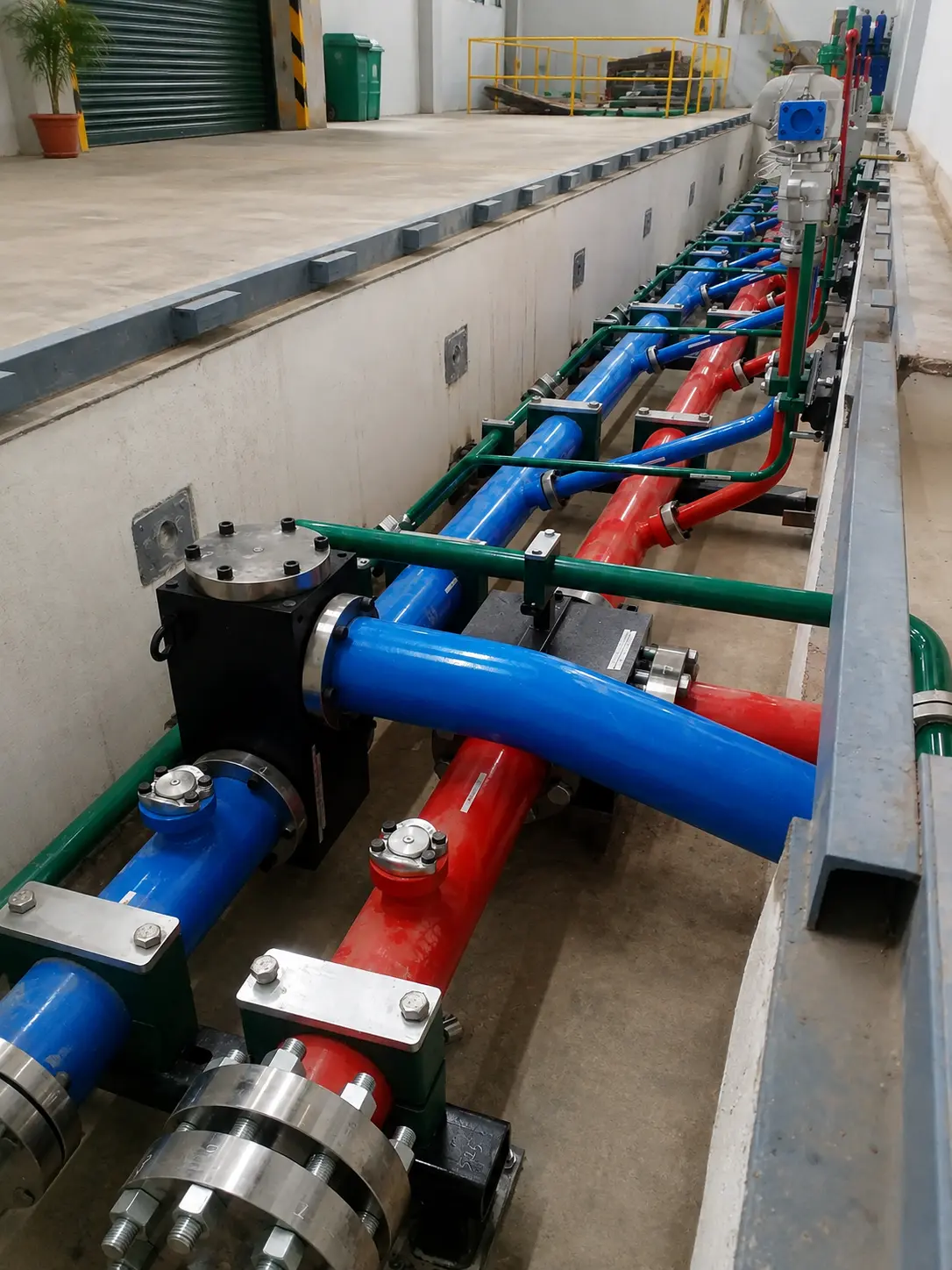
The Retain Ring Flange System is a non-welded piping connection designed for heavy-wall pipes, typically Sch 160 and thicker. The pipe end is machined or grooved to form an annular groove on the outside diameter, allowing a retain ring to mechanically secure the flange to the pipe.
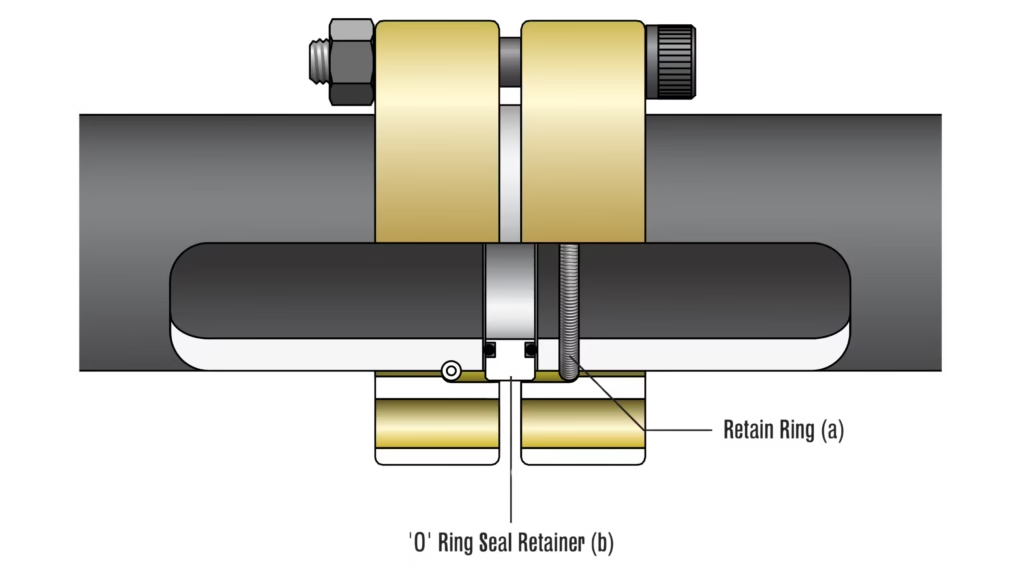
After machining or pipe grooving, the flange is slipped onto the pipe and a retain ring (which consists of a segmented stainless steel ring bound by a spiral wound stainless steel spring) is sprung over the pipe’s outside diameter nesting in the annular groove. The flanges can be rotated prior to bolting thus eliminating the need to be concerned about the axis of the pipe on which the fitter aligns the flange holes. At times, it also allows the flange cap screws to be installed in more confined spaces. Learn more on how pipe is grooved.
How Retain Ring Flange System Works
The pipe end is machined to form an annular groove on its outside diameter. A segmented retain ring is positioned in this groove and mechanically retains the flange on the pipe. The connection is sealed using an O-ring seal retainer positioned between the pipe end and the mating flange. The seal retainer incorporates O-rings on both sides, creating a sealed connection at the pipe end face when the flanges are bolted together. TMI has in-house developed portable Pipe Grooving Machine to meet the required standard of grooving needed for retain ring flange system. Grooving machine operator needs basic training to operate the equipment which will be provided by our installation team. For more information on grooving learn how pipe is grooved.
Retain Ring Flange System Specification
Material and Pipe Sizes
Retain Ring Flange system is used for pipes of sizes ranging from 1-1/2” through 10” (Sch 160 and above). The flanges come in Carbon Steel and Stainless Steel 316L material.
Pressure Ratings
Retain Ring Flange System can take pressures upto 6000 psi / 420 bar based on the pipe size and thickness.
Flange Standards
Retain Ring Flange System comes in SAE Code 61 (ISO 6162-1), SAE Code 62 (ISO 6162-2), ISO 6164 and also TMI® 8-bolt and 9-bolt proprietary flange standard.
Benefits of Retain Ring Flange System
Unlike welded flanges, Tube-Mac® retain ring flanges rotate freely around the pipe for easy bolt alignment.
The grooving and installation time is measured in minutes versus hours for a welded connection.
The non-welded retain ring flange technology is clean, preventing contamination from being introduced into the piping systems.
The retain ring flange system is a fast and clean solution for connecting pipes, requiring less time to commission and oil flush the system.
The non-welded leak-free flange connection offers a significantly reduced overall installed cost when compared to a welded piping system
Certifications
Compliance – Fully complies with ASME B31.1 and ASME B31.3
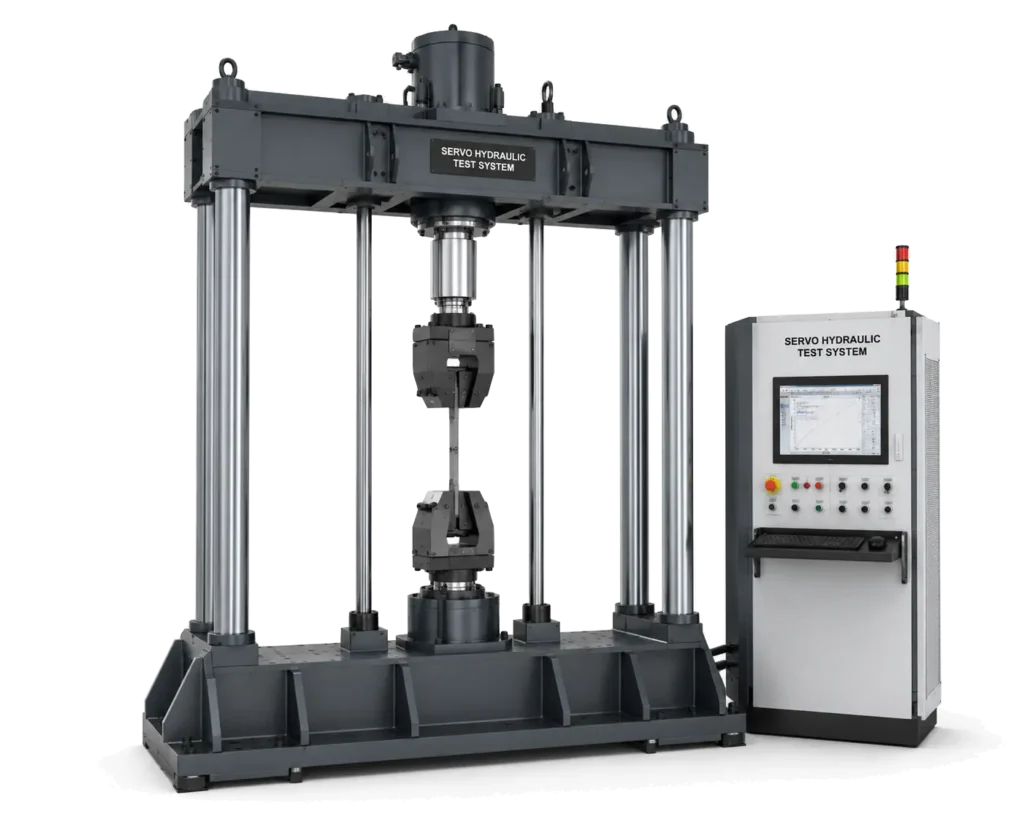
Rigorous Tests Passed – Impulse & Vibration Test, Flange Pull Out Test
Retain Ring Flange Systems are used in high-pressure hydraulic, lubrication, oil and water piping applications where heavy-wall pipe and reliable mechanical connections are required.
The Tube-Mac® Retain Ring Flange System is a non-welded pipe connection technology designed primarily for heavy-wall piping applications. It uses a machined pipe end, an annular groove, a retaining ring and a bolted flange arrangement with an O-ring sealing assembly to create a secure, leak-tight connection.
How does the Tube-Mac® Retain Ring Flange System work?
The pipe end is machined to create a flat end face and an annular groove on its outside diameter. The flange is slipped onto the pipe, and a segmented stainless steel retaining ring is fitted into the groove. When the mating flanges are bolted together, the retaining rings provide mechanical retention while the O-ring sealing assembly forms the seal.
What are the advantages of using the Retain Ring Flange System over conventional welded piping?
The Retain Ring Flange System can eliminate welding at the pipe connection, reduce installation time and simplify piping maintenance. Its bolted design also makes it easier to dismantle connections for equipment replacement or servicing. Avoiding welding can reduce associated hot-work requirements, weld inspection and post-weld cleaning.
What is the maximum pressure rating of the Tube-Mac® Retain Ring Flange System?
The maximum pressure rating depends on the flange series and the selected assembly. Tube-Mac’s catalogue lists configurations including SAE 10000 PSI (690 bar), SAE 6000 PSI (420 bar), SAE 3000 PSI (210 bar) and ISO 6164 (400 bar). The allowable working pressure must be confirmed for the specific pipe size, flange configuration and operating conditions.
What pipe sizes are available for the Tube-Mac® Retain Ring Flange System?
Tube-Mac® lists retain ring flange connections for pipe sizes from 1½ inches to 10 inches. The available sizes and pressure ratings depend on the selected flange series and configuration. Refer to the manufacturer’s current technical catalogue to verify dimensions and compatibility for your project.
Which industries use the Tube-Mac® Retain Ring Flange System?
The system is suitable for heavy-duty industrial piping applications in sectors such as:
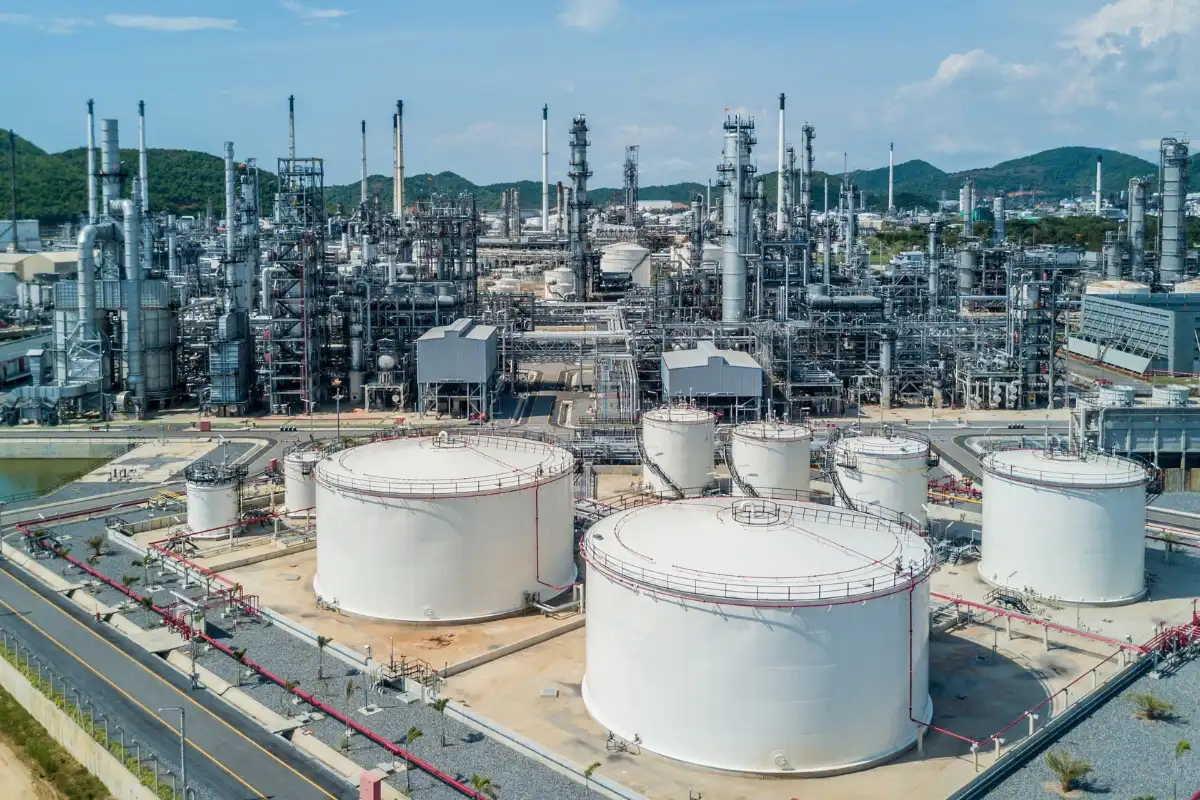
Oil and gas, refineries and offshore facilities
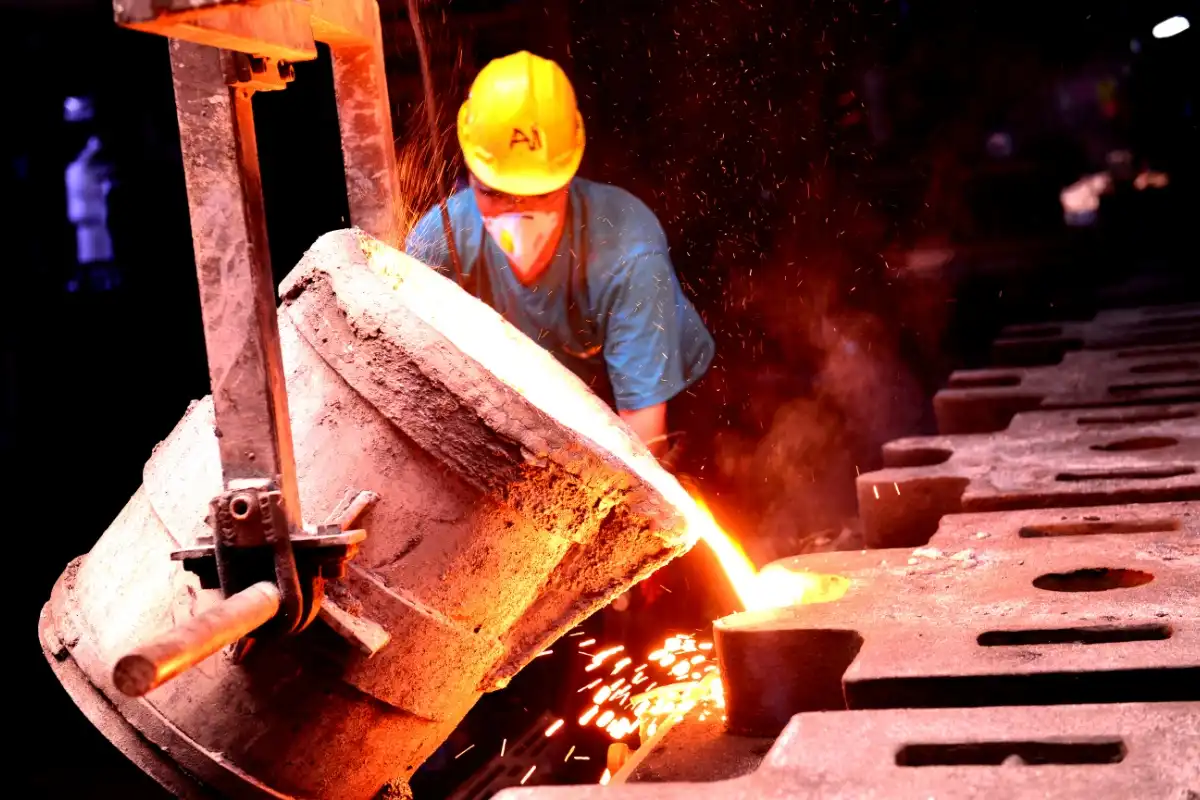
Steel, aluminium and metal processing plants
Mining and heavy industrial equipment
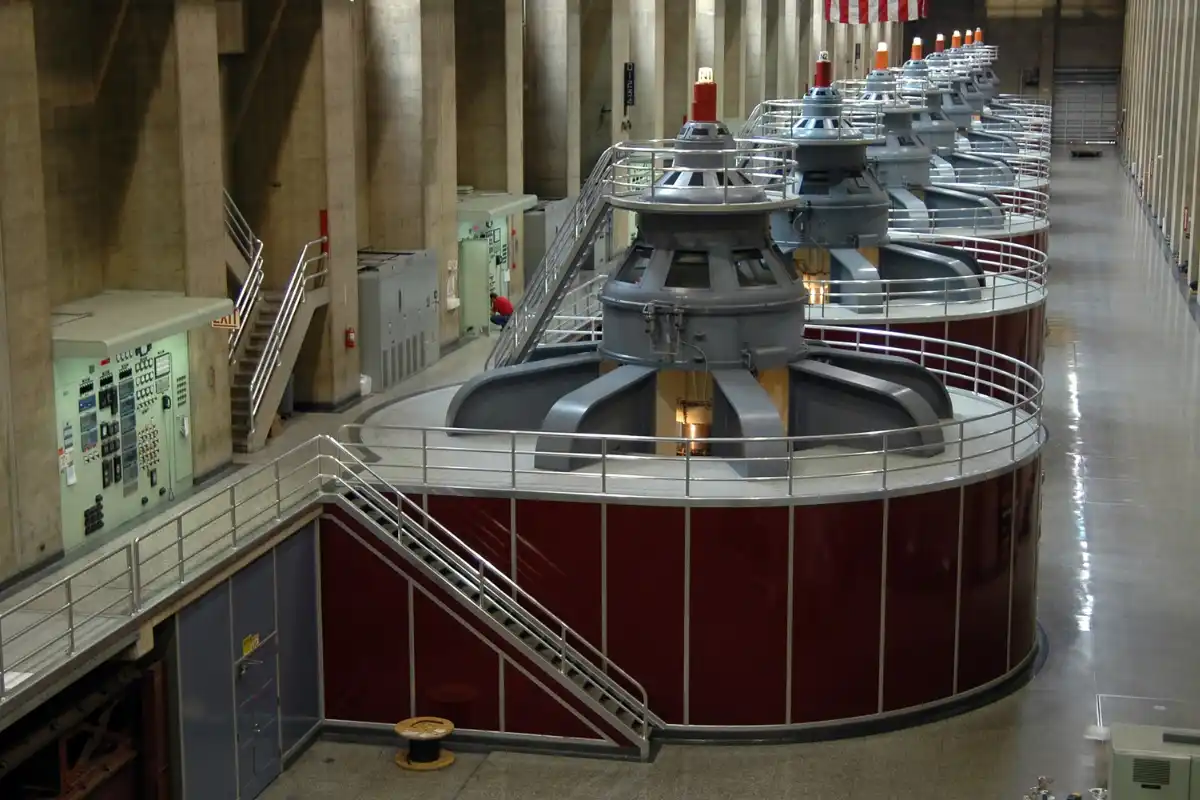
Hydraulic power and industrial machinery
Forging and extrusion presses
Marine and shipbuilding applications
The correct configuration should be selected according to operating pressure, fluid, temperature and project requirements.
What types of pipes are suitable for a Retain Ring Flange connection?
The standard Retain Ring Flange configuration is designed for heavy-wall pipe with sufficient wall thickness to accommodate the required machining and retaining-ring groove. Pipe material, outside diameter, wall thickness and machining dimensions must comply with the manufacturer’s specifications to ensure reliable mechanical retention and sealing.
Does the Tube-Mac® Retain Ring Flange System require welding?
The standard Retain Ring Flange connection is designed to avoid welding at the joint. The connection is made through machining, fitting the retaining ring and assembling the bolted flanges. However, certain alternative configurations, such as low-pressure versions using butt-weld adapters, do require welding the adapter to the pipe. The selected configuration should therefore be confirmed before describing an entire piping assembly as weld-free.
What components make up a Retain Ring Flange connection?
A typical Retain Ring Flange connection consists of the following components:
Heavy-wall pipe with a machined end and annular groove
Retain Ring Flange
Segmented stainless steel retaining ring
O-ring seal retainer and associated sealing components
Bolts or a suitable bolt kit
The exact components depend on the connection style and the equipment being connected.
Does the Retain Ring Flange System require special installation equipment?
The system requires suitable pipe-end machining equipment and tooling to prepare the pipe to the specified dimensions. The retaining ring must be correctly seated in the machined groove, and the sealing components and flanges must be assembled in accordance with the manufacturer’s instructions. Correct bolt selection and tightening procedures are essential for reliable operation.
How does the Retain Ring Flange System help reduce installation and commissioning time?
The system can reduce the time associated with conventional welded connections by eliminating welding at the standard retain ring joint. It can also reduce weld inspection and post-weld cleaning requirements. Tube-Mac distributors highlight faster installation and quicker oil flushing as benefits of non-welded piping systems, although actual time savings depend on project conditions and installation practices.
Which flange standards are available for the Tube-Mac® Retain Ring Flange System?
Tube-Mac® offers retain ring flange configurations compatible with SAE Code 61, SAE Code 62 and ISO 6164 connection standards, along with proprietary Tube-Mac flange patterns. Other flange patterns may be available depending on the required configuration. Always verify the exact standard, dimensions and pressure rating before selecting components.
Is the Tube-Mac® Retain Ring Flange System suitable for maintenance-intensive piping systems?
Yes. The bolted connection allows the joint to be dismantled when access to equipment or piping components is required. This can simplify maintenance, inspection and equipment replacement compared with connections that require cutting and rewelding. Before reassembly, inspect the retaining ring, groove, flange faces and sealing components, and replace damaged seals as required.
What is the difference between a Retain Ring Flange System and a 37° Flare Flange System?
Both systems provide alternatives to conventional welded pipe connections, but they use different pipe-end preparation and retention methods.
Retain Ring Flange System: Uses heavy-wall pipe with a machined end and external groove, together with a retaining ring. It is suitable for specified heavy-wall and high-pressure piping configurations.
37° Flare Flange System: Uses pipe ends mechanically flared to 37°, with cone inserts and flanges to form the connection. It is suitable for pipe configurations designed for the flare connection method.
The best choice depends on pipe dimensions, wall thickness, pressure requirements and the installation conditions.
Talk to our engineering team about your piping requirements and find the right solution for your application.
Send Enquiry
Kindly provide your details and project requirements, and our team will promptly get in touch with you to address your needs. We look forward to assisting you!