Pyplok® is a proprietary non-welded, threadless piping connection system that uses 360° radial swaging to permanently attach fittings to pipe and tube, creating a leak-tight cold connection.
It has been successfully used in the most demanding environments where fire safety is essential and there is a need for quick and easy solution to maintenance repairs. Being a non-welded and threadless fitting, Pyplok® has a lot of advantages to offer from traditional pipe and tube fittings. It is a very versatile fitting which is used in high pressure piping and also utility piping applications.
How Pyplok® Works
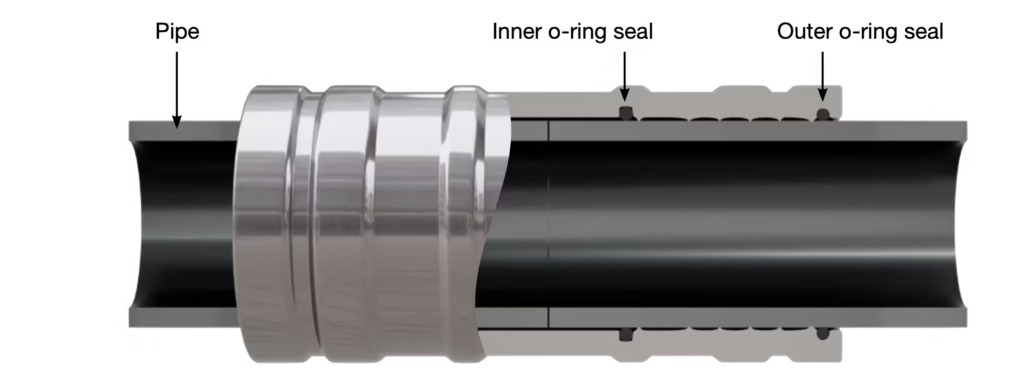
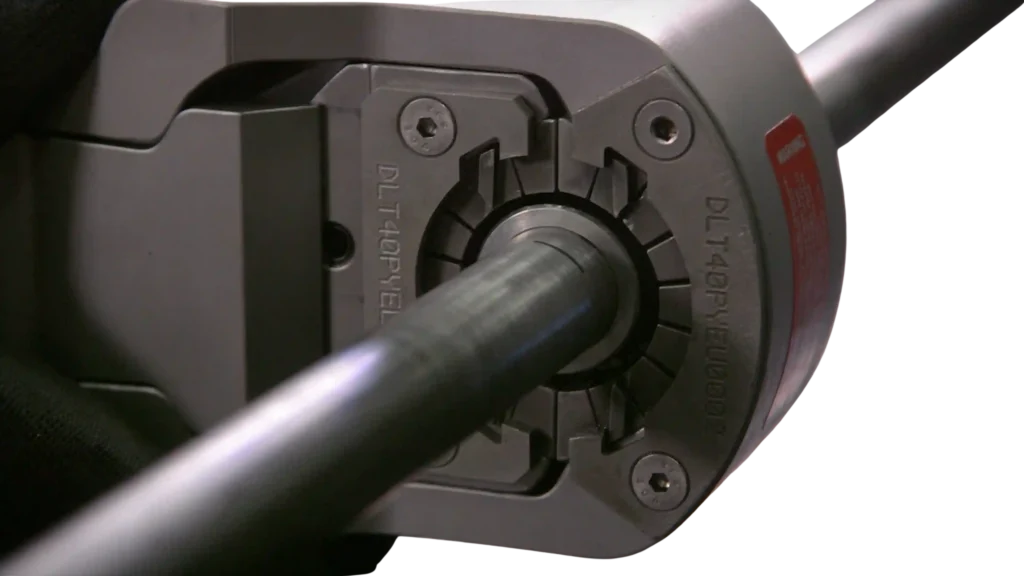
Using a portable, hand-held installation tool, couplings are cold worked and permanently compressed onto the pipes, thus forming a permanent leak-tight seal. Pyplok® fittings incorporate inner and outer O-ring seals. The inner O-ring provides the primary fluid seal, while the outer O-ring helps prevent external contaminants from entering the connection.
Pyplok® Specification
Material and Sizes
Pyplok® is available in Carbon Steel, Stainless Steel Type 316L, Duplex, Super Duplex, Copper Nickel 70/30, Copper Nickel 90/10, Duplex (UNS31803),Super Duplex (UNS32750) and Titanium material.
It is available from 1/4″ upto 4″ NPS, from 6mm upto 115mm Metric Tube Size, 1/4″ upto 2″ Imperial OD Tube Size and 06A upto 50A JIS Metric Tube Sizes.
Pressure and Temperature Ratings
Up to 9,300 PSI / 640 bar pressure, -15°F to 400°F (-26°C to 205°C) temperature range. Refer to the Pyplok® pressure rating chart for specific fitting ratings.
Seal Materials
The O-rings as standard come in Viton, EPDM or can be ordered from a choice of seal materials which can be suitably supplied according to the requirement and have an operating temperature range of –65°F to +400°F (–54°C to +205°C)
Fitting Configurations and Tooling
Pyplok® comes in all kinds of shape and sizes. TMI provides different set of Models to meet the installation standards on Pyplok®. Click here to know about Pyplok® Tooling. Pyplok® Models needs basic training to operate and the same could be provided by us.
Benefits of Pyplok®
- Pyplok® fittings are permanently swaged in “seconds” reduces on-site time and labor.
- Pyplok® fittings are swaged on; no hot work permits or fire watch personnel are required.
- Pyplok® tooling is hydraulically actuated eliminating special site services.
- Pyplok® system prevents the need for gas freeing.
- Pyplok® systems do not require acid pickling and neutralizing - eliminating the environmental issues relating to the disposal of such chemical wastes
- Pyplok® fittings are verified with a “Go-No-Go” inspection gauge - much quicker and less costly than NDT
Certifications


Compliance
- ASME B31.1, ASME B31.3, ASME B31.4, ASME B31.8
- CRN (Canadian Registration No)
- NAVSEA (United States Naval Sea Command)
- ANZAC (Australia New Zealand Navy)
- US Coast Guard
Testing
- API 6FB Third Edition Nov. 98 Fire Test for End Connection Fittings
- ISO 19921 Fire Test, Fire Resistance of Metallic Pipe Components with Resilient and Elastomeric Seals
- US Military Navy Shock Test MIL-S-901D

Applications
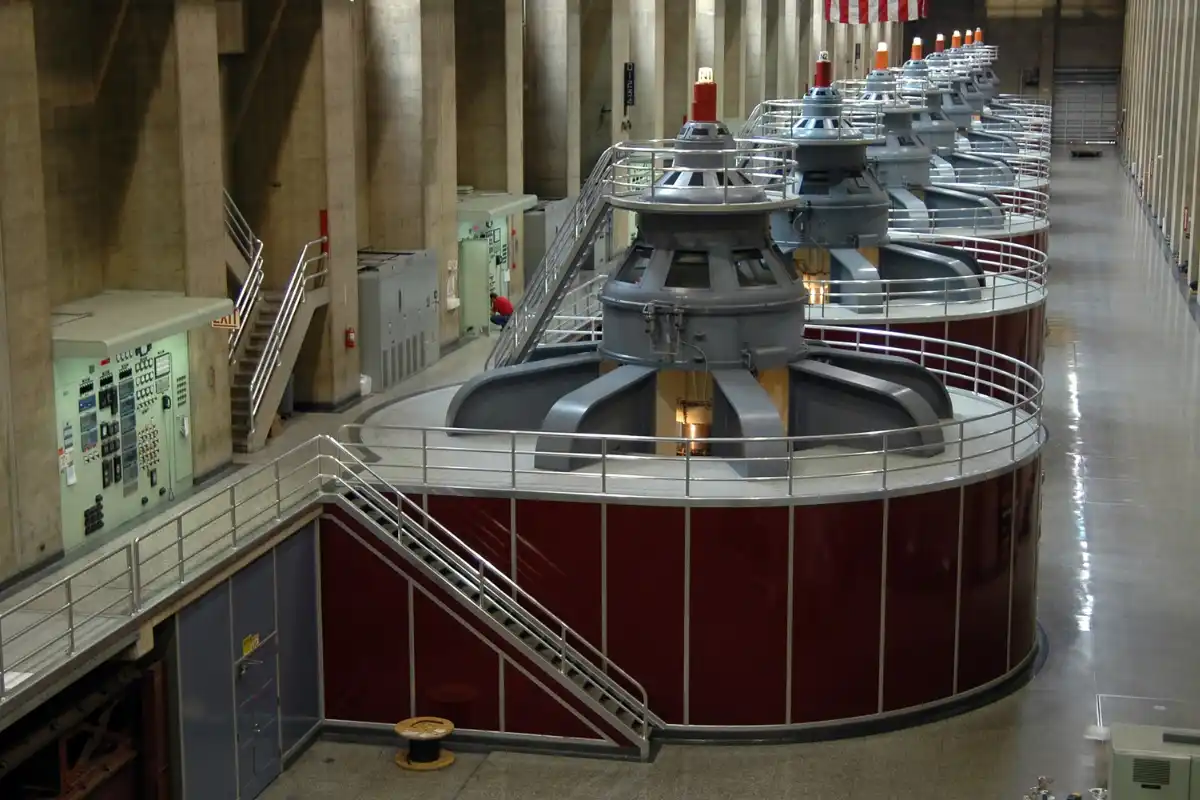
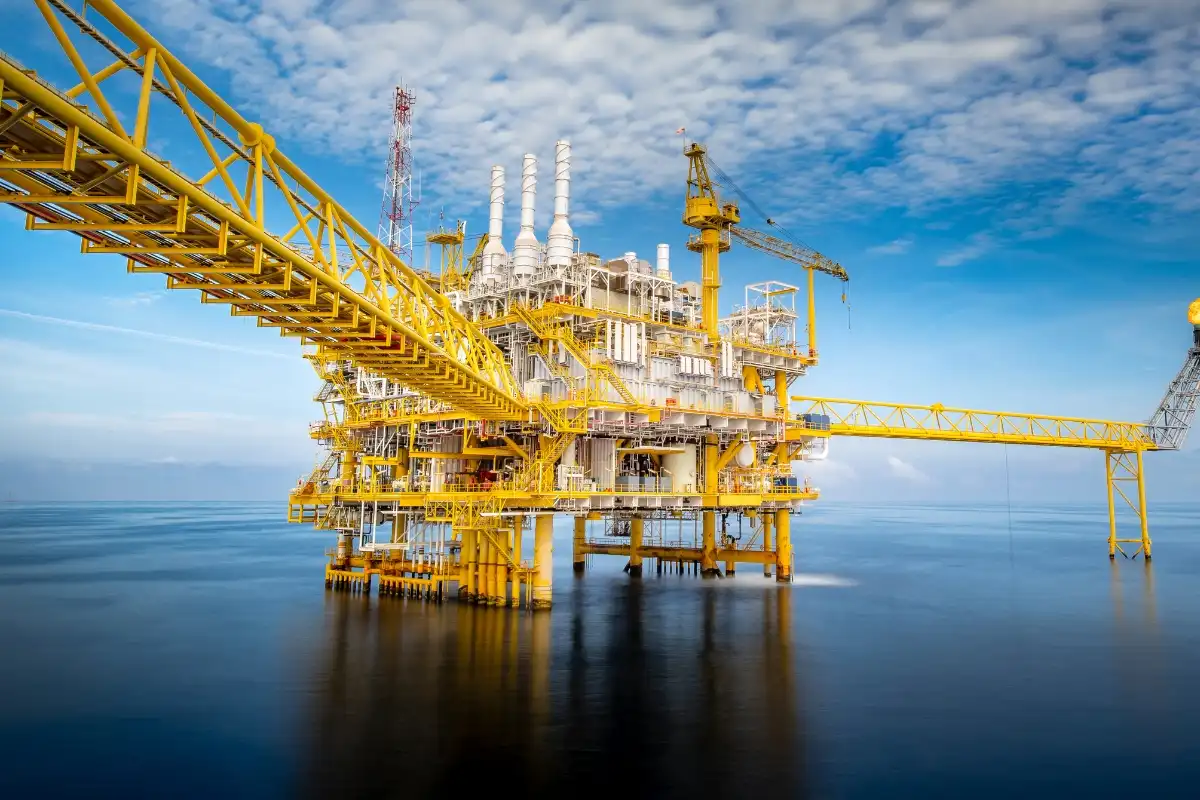
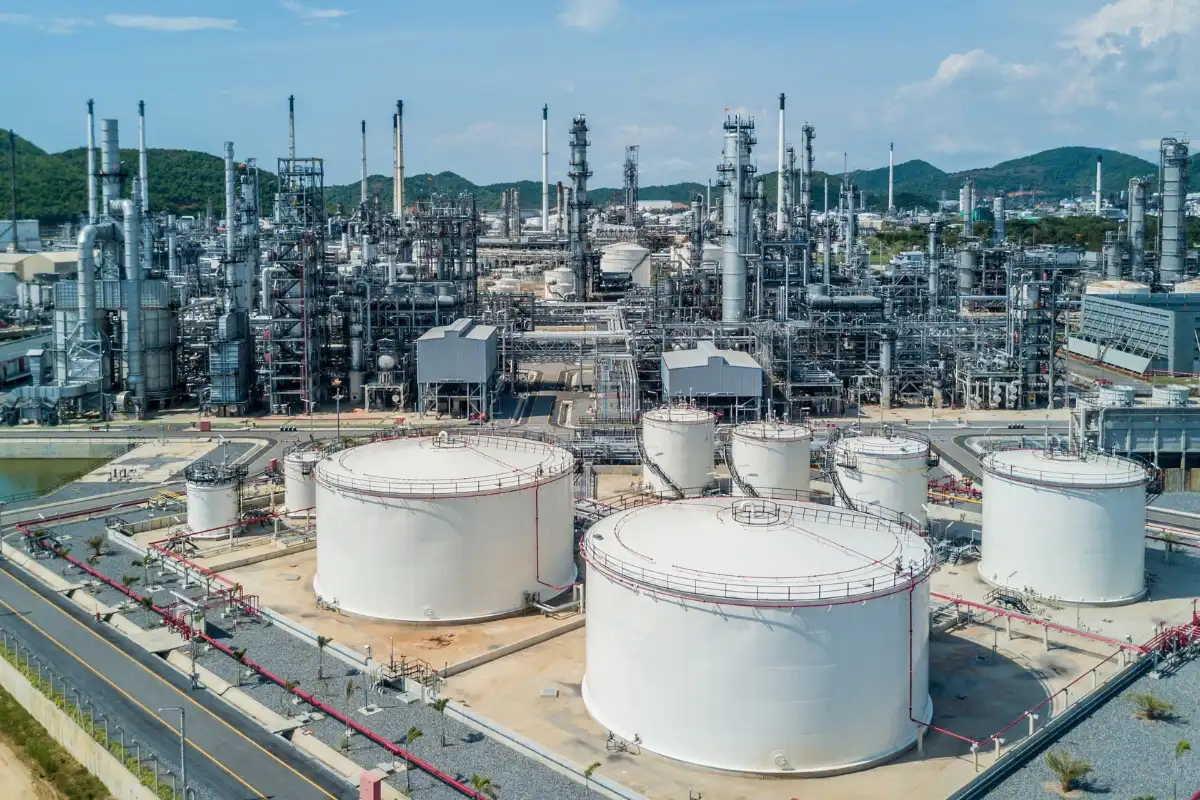
Pyplok® fittings can be used across hydraulic, lubrication, oil, water and other utility piping applications, subject to the applicable pressure, temperature, material and fitting specifications.

Cost Benefit Analysis
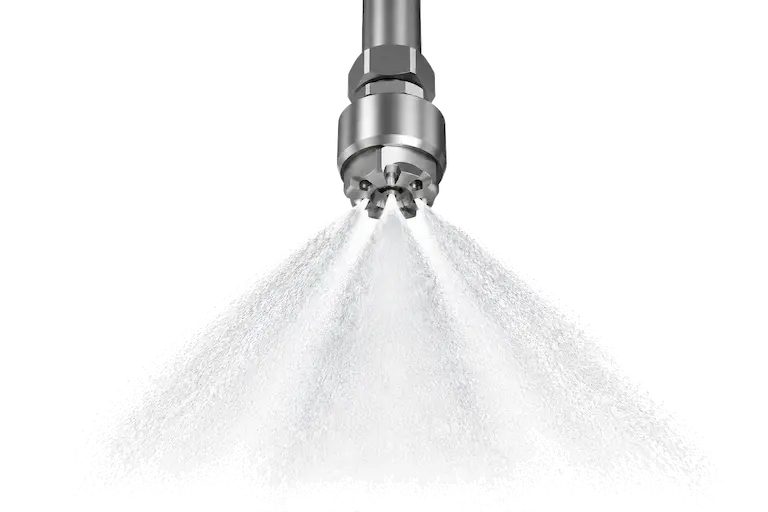
Read the case study where the Pyplok® system proved to be a more cost-effective solution than traditional hot work system for on-site pipework fabrication and repairs.
FAQ'S

What is the Pyplok® Fitting System?
Pyplok® is a proprietary, non-welded and threadless piping connection system that uses 360° radial swaging to permanently secure fittings to compatible pipes and tubes. The process creates a mechanically retained, sealed connection without conventional welding, making it suitable for a wide range of industrial, hydraulic and utility piping applications.
How does the Pyplok® system work?
A compatible fitting is positioned over the prepared pipe or tube, and a dedicated hydraulic swaging tool applies controlled radial compression around the fitting. This permanently secures the fitting to the pipe and compresses its sealing elements to form a leak-tight connection. A Go-No-Go inspection gauge is used to verify that the required swage diameter has been achieved.
What are the advantages of Pyplok® over conventional welded piping?
A compatible fitting is positioned over the prepared pipe or tube, and a dedicated hydraulic swaging tool applies controlled radial compression around the fitting. This permanently secures the fitting to the pipe and compresses its sealing elements to form a leak-tight connection. A Go-No-Go inspection gauge is used to verify that the required swage diameter has been achieved.
What is the maximum pressure rating of Pyplok® fittings?
Pyplok® offers fitting configurations rated for pressures up to 9,300 PSI (approximately 640 bar). This is not a universal rating for every fitting: allowable pressure depends on the fitting series, size, material, tube or pipe specifications and end connections. Always consult the manufacturer’s pressure-rating tables for the specific assembly.
What pipe and tube sizes are available for Pyplok®?
Pyplok® is available in several dimensional series, including:
NPS pipe sizes from ¼ inch to 4 inches
Imperial outside-diameter tube sizes from ¼ inch to 2 inches
Metric tube sizes from 6 mm to 115 mm
JIS metric tube sizes from 06A to 50A
Availability depends on the fitting series and configuration. Confirm the exact size and compatible pipe or tube specifications against the current manufacturer’s catalogue.
What materials are available for Pyplok® fittings?
Pyplok® fittings are available in a range of materials, including carbon steel, 316L stainless steel, duplex stainless steel, super duplex stainless steel, copper-nickel alloys and titanium. Availability varies by fitting series, size and configuration. Material selection should account for corrosion resistance, fluid compatibility, temperature and pressure requirements.
Which industries use Pyplok® non-welded piping systems?
Pyplok® is used in a variety of industrial and marine applications, including:
Oil and gas, refineries and petrochemical facilities
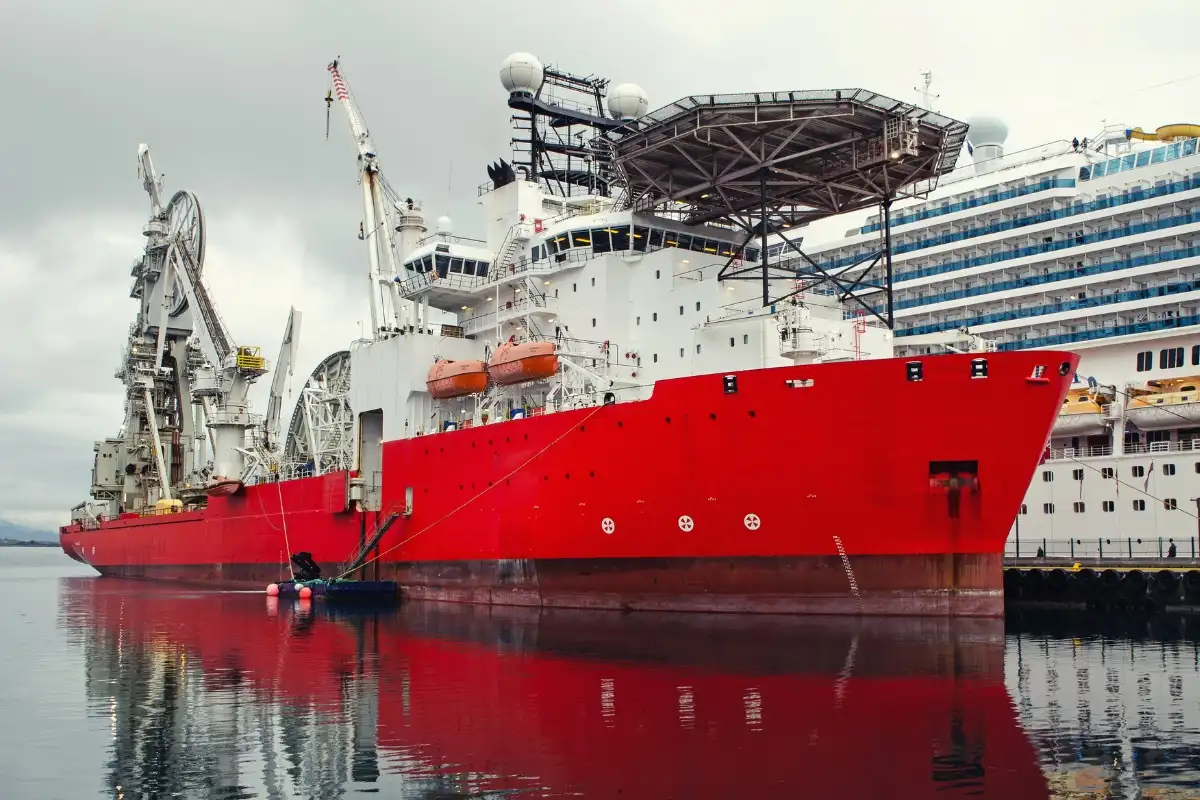
Marine, shipbuilding and offshore installations
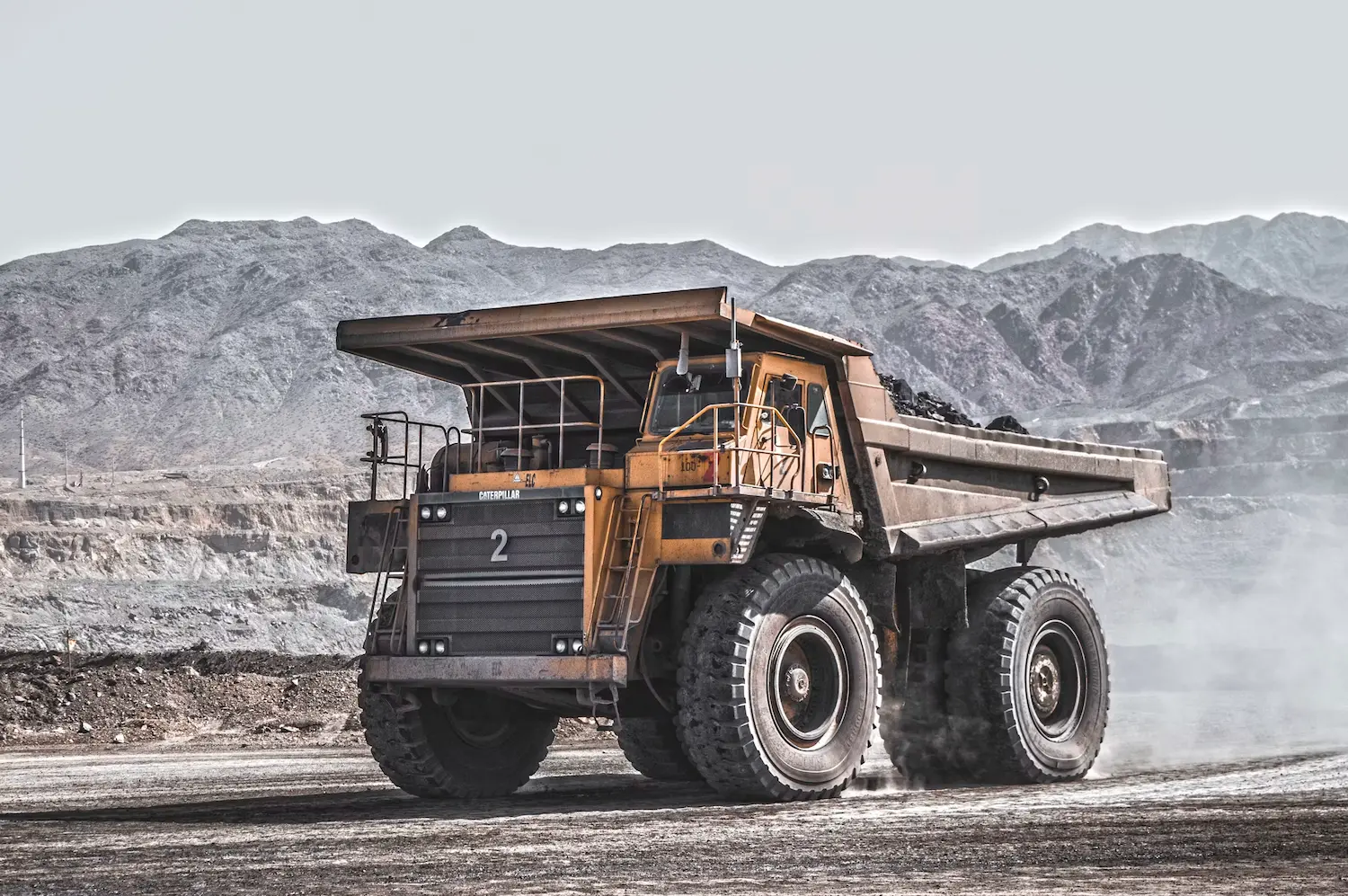
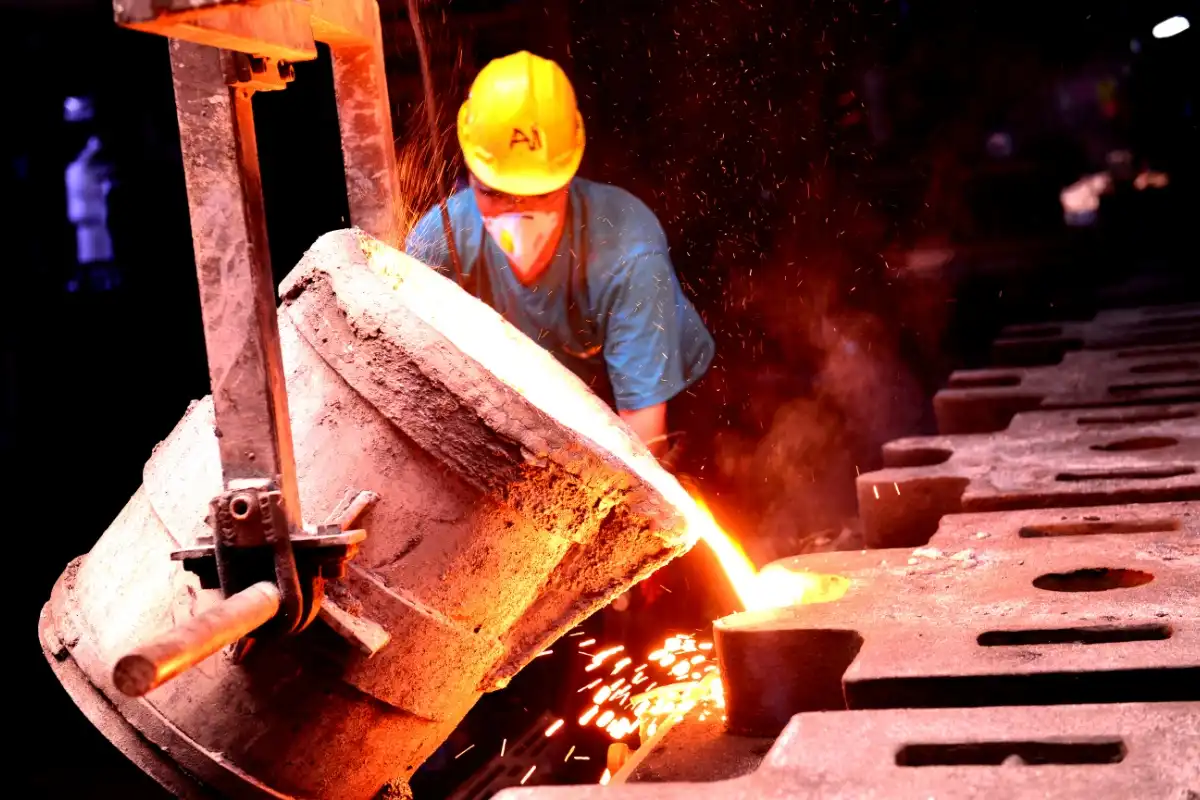
Steel, metal processing and mining
Hydraulic power and lubrication systems
Fire suppression and water-mist systems
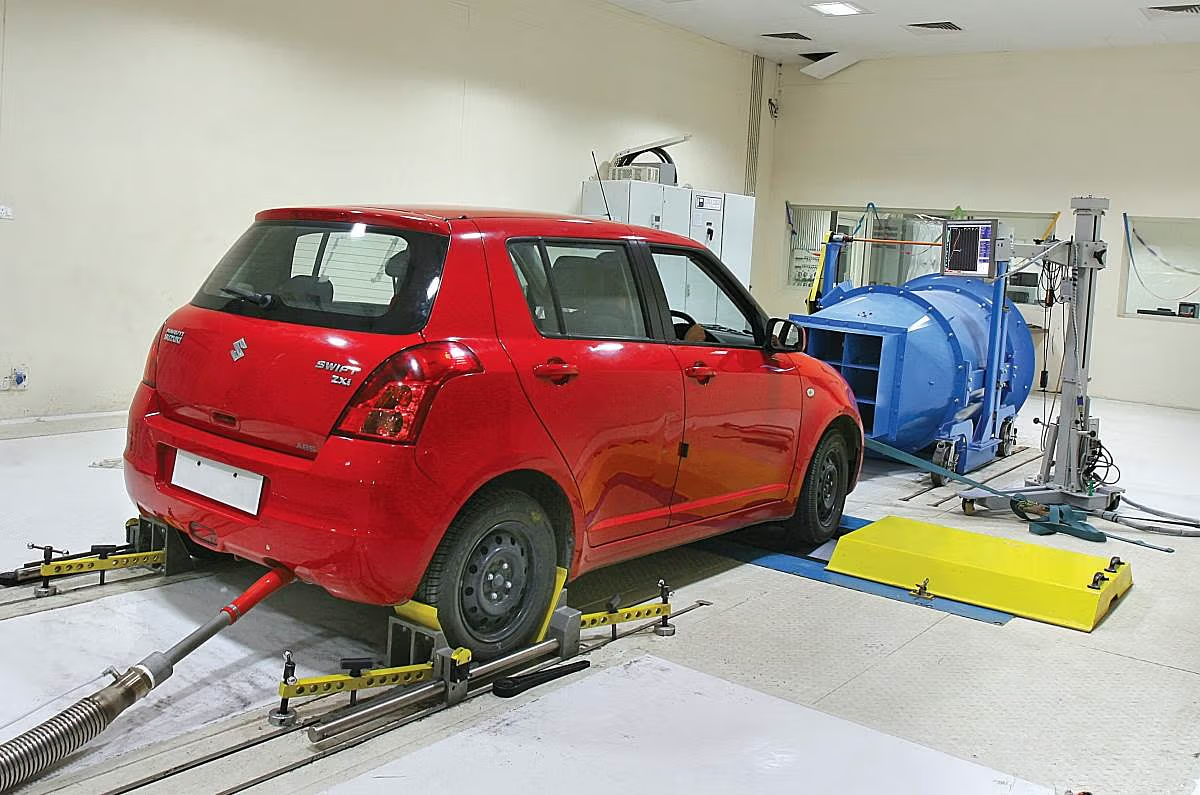
Automotive testing and industrial equipment
Power generation and selected utility systems
Suitability depends on the application, operating conditions and applicable approvals.
Does Pyplok® require welding or threading during installation?
No. Pyplok® is designed to create permanent connections without welding or threading at the fitting joint. A dedicated hydraulic swaging tool forms the connection through controlled radial compression, reducing the need for hot-work permits and associated fire-watch requirements. Some fitting configurations include threaded or flanged ends for connection to other equipment, so the complete assembly should be reviewed when assessing whether a piping installation is entirely weld-free.
What equipment is required to install Pyplok® fittings?
Installation requires the appropriate Pyplok® hydraulic swaging tool, tooling for the selected fitting size and a compatible inspection gauge. The pipe or tube must be prepared and inserted to the specified depth before swaging. Correct tool selection, installation procedure and gauge inspection are essential for achieving a reliable connection. Training on the installation procedure should be provided to the personnel carrying out the work.
What sealing mechanism does Pyplok® use?
Pyplok® fittings incorporate two O-ring seals. The inner O-ring provides the primary fluid seal, while the outer O-ring serves as an environmental seal that helps prevent external contaminants from entering the connection. Seal materials, such as Viton and EPDM, must be selected according to the conveyed medium, operating temperature and applicable fitting specifications.
What sealing mechanism does Pyplok® use?
Both are non-welded piping technologies, but they use different installation and sealing methods.
Pyplok®: Uses 360° radial swaging to mechanically secure the fitting around compatible pipe or tube. It uses inner and outer O-ring seals and is available in a broad range of materials, sizes and fitting configurations.
PreFiS®: Uses a dedicated press-fitting process to create a metal-to-metal sealed connection for compatible tube and pipe configurations.
The appropriate choice depends on pressure and temperature requirements, material compatibility, fitting dimensions, sealing requirements and application-specific approvals.
What temperature range can Pyplok® fittings withstand?
The manufacturer’s published range for specified Pyplok® configurations is approximately −26°C to 205°C (−15°F to 400°F). The actual operating limit depends on the fitting series, pipe or tube material, O-ring compound and pressure rating. For hot water, steam or low-temperature applications, confirm the correct seal material and approved operating envelope before specifying the connection.
Are Pyplok® fittings approved by ASME B31?
American Society of Mechanical Engineers (ASME) B31 pressure pipe codes are recognized and generally accepted as good engineering practice for piping design. Pyplok® fittings fall under ASME code section B31.3 – process piping and section B31.1 – power piping. Fittings that are manufactured in accordance with these specifications and standards may be used in piping systems. Fittings that are not listed in ASME code B31.3 and B31.1 are considered unlisted components and as such the pressure design of these components must meet the requirements set out in section 304.7.2 in B31.3 and 104.7.2 in B31.1.
Pyplok® fittings manufactured by Tube-Mac® Piping Technologies, meet the criteria established in ASME B31.3 and ASME B31.1. PYPLOK® fittings have undergone successful service experience, supplement testing, proof testing and detailed stress analysis using finite element methods.
Is Pyplok® available in Metric sizes?
Pyplok® is available in complete range of metric sizes and shapes. Sizes range from 6mm through 60mm.
What material types are available for Pyplok®?
Pyplok® is available in Carbon Steel, Stainless Steel type 316, Copper Nickel (CuNi) 70/30, limited selection of fittings in CuNi 90/10, Duplex and Super Duplex. For further details, please contact us.
What material types are available for Pyplok®?
Pyplok® is available in Carbon Steel, Stainless Steel type 316, Copper Nickel (CuNi) 70/30, limited selection of fittings in CuNi 90/10, Duplex and Super Duplex. For further details, please contact us.
What maximum temperature can the fittings withstand?
Pyplok®’s elastomeric seals (O-Rings) are the limiting factor. Viton is the standard elastomeric seal compound with a maximum temperature of 400º F (205º C). For steam or hot water applications it is highly recommend to use an EPDM seal which has a maximum operating temperature of 400º F (205º C). Other seals are available upon request including cold temperature applications.
How close can I install Pyplok® fittings to a pipe bend?
Pyplok® fittings cannot be installed on the radius of a bend. The fitting must be installed on the straight leg beyond the tangent point of the radius.
If I don't swage the fitting enough, do I have to cut it out and replace it?
No you don’t have to cut out and replace the fitting. Simply place the Pyplok® tool around the fitting and re-swage it. Check with the inspection gauge to ensure the proper swage diameter has been achieved. As a pre-engineered tool, you can swage the fitting hundreds of times and you will never damage the fitting. The Pyplok® tool will automatically stop at a pre-engineered diameter for each size.

Let us handle the complexity of your piping systems while you focus on your core operations.
Contact Chase Resource today to help you achieve operational excellence.